


Why We’re Releasing Stuff on Cassette (and Why You Should Care)

Let’s get something straight right away - no, we’re not nostalgic boomers clutching blank tapes whispering about days of analogue glory. We are modern music obsessives dropping music in a format that feels like a glitch in the matrix of endless digital streaming. Cassettes are back, not as a fad, not as retro cosplay, but as a genuine way of experiencing music that pushes back against the flattening logic of playlists and algorithmic shuffle.

The Numbers Don’t Lie - Physical Media Is Growing, and Cassettes Are Part of It
Look at the numbers: physical music sales in the UK jumped by double digits in 2025, with vinyl and “other physical formats (predominantly cassette)” up a staggering 95% - yes, ninety-five percent - year-over-year. Physical formats now make up around 15% of music revenues - the highest share in years.
And while cassette sales are still niche compared to vinyl, they’re absolutely in resurgence: from negligible units in the 2010s, you now see six-digit annual sales of tapes here and in the US, up by double-, even triple-digit percentages over just a few years.
There’s a reason major artists like Taylor Swift, Billie Eilish, and Charli XCX have been putting out tape editions of their new records - fans want that physical connection.
Why Young People Are Leaning Into Cassettes
You might think cassettes are purely about nostalgia. Sure, they tap into the retro vibes, but there’s something deeper going on: lots of younger music lovers are rejecting the ephemeral, instant, transactional nature of streaming. They want something tactile, something that carries intention. It’s not background noise - it’s music as object.
Surveys show that younger listeners are buying physical music - vinyl, CDs, and cassettes - in significant numbers, not despite being digital natives, but because physical formats give them ownership, ritual, and space for authenticity in a landscape dominated by opaque streaming payouts and fractured attention.
Cassettes force you to sit with the music - no endless skipping, no algorithm telling you what’s next. You press play and ride the side until it’s done. That’s an act of listening that feels subversive in 2026.
Physical Media = Real Support for Artists
Here’s the hard truth the platforms won’t shout about: streaming returns are minimal. Artists see tiny fractions of pennies per play. All the chart streams in the world don’t directly pay the rent, the gear, the van, the coffee that keeps our scene alive.
Selling physical media - cassettes, vinyl, CDs - is one of the only ways to genuinely reward the artist for their work. When you buy a tape, you’re not just clicking “like”; you’re putting real money directly into the creative ecosystem. That matters. It’s not just merchandise - it’s mutual aid in audio form.
Even if You Don’t Own a Cassette Player…
…and you don’t need to panic. A decent cassette deck or Walkman isn’t the financial barrier people think it is - it’s one of the most accessible pieces of music hardware you can own, often more affordable than turntables and higher-end digital equipment. And even if it stays wrapped and displayed on your shelf? That’s cool too - physical media is merch you can hear, look at, and hold. It’s a talisman of the shared sonic moment.
What We’ve Been Doing - and What’s Next
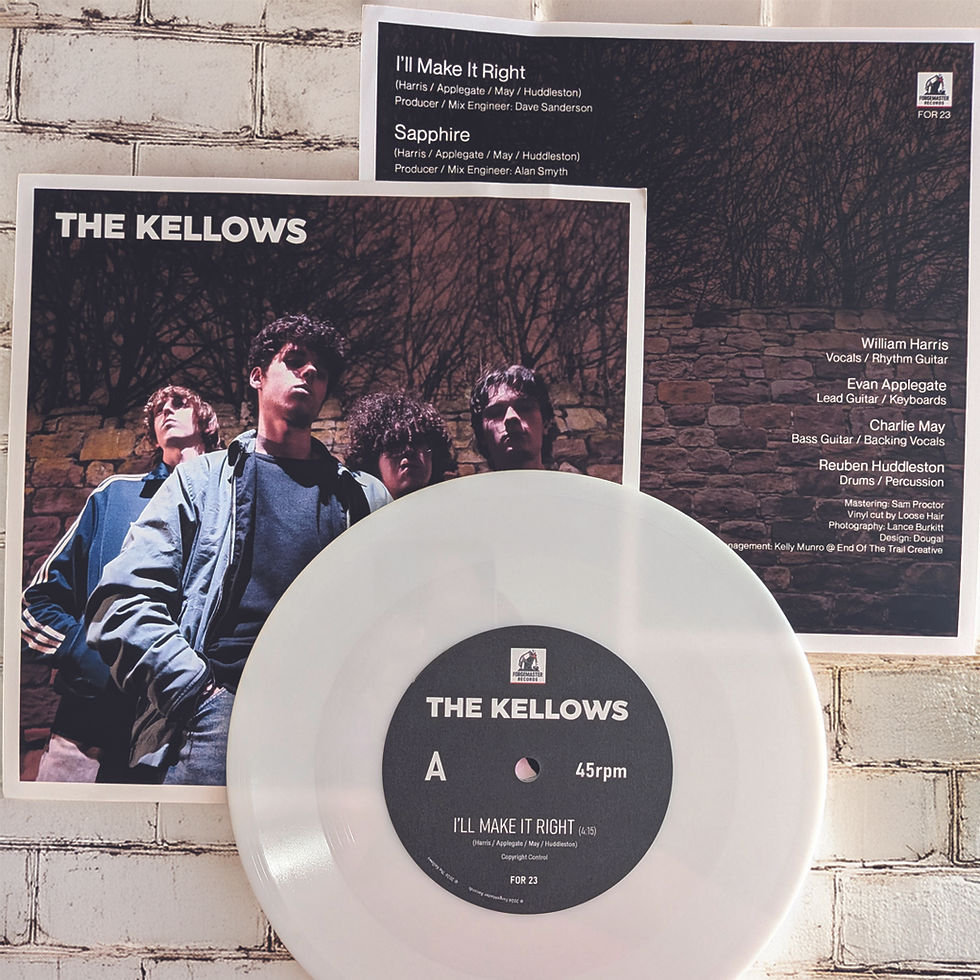
So far, we’ve put out limited-edition cassettes by Orchidelia and Next Week’s Washing - and those runs have tapped into exactly this mood: physical, intimate, uncompromised. But be crystal clear - this isn’t only about cassettes.
We’re committed to releasing on vinyl, CD, and yes, cassettes throughout the rest of 2026. Cassettes are a part of our catalogue philosophy - but they’re one piece of a bigger resistance against disposable, invisible music. Vinyl for the lovers who groove slow and deep. CDs for the diehards who still flip discs. Cassettes for the rebels who want something raw, immediate, and tangible.
Why This Matters (In a Situationist Way)
If capitalism thrives on abstraction - the seamless, frictionless consumption of culture - then physical media is a swerve in the opposite direction. It’s music as object, as artifact, as presence. It breaks the smooth flow of autoplay. It invites intention. It resists the extraction logic of streaming platforms that treat art like a background utility.
So when you buy a cassette from us, you’re not just buying a tape - you’re participating in a small strategic detournement of the music industry’s dominant modes of distribution. It’s insurgent. It’s community-oriented. And it feels good.

Comments